Queen Musical’s North American Tours Debuts in Baltimore
by Tom Warner (Baltimore Or Less cub reporter, Oct. 13, 2013)
We had no interest in seeing the much-maligned Queen musical “We Will Rock You” – which in 2002 opened in London’s West End to scathing reviews before crossing the pond in 2004 for its lone American run in the more forgiving pomp-and-romp theatrical circuit of Las Vegas – which kicks off its first North American tour this week with a five-day, eight-performance run at Baltimore’s Hippodrome Theater. But now comes word that Queen guitarist-cum-astrophysicist Brian May will not only be in town, but also on stage for the show’s opening this Tuesday, October 15th, at 8 p.m.
“They really don’t need me,” May was quoted telling the Baltimore Sun’s Tim Smith in a phone interview from Las Vegas. “It’s really a cast-iron show. But I’ve got to be there on opening night, and if I’m there, I would rather participate than just be an uncle to the show. I’d like to get out there and interact with the cast.”
(Read Tim Smith’s “Hail to the Queen” review at baltimoresun.com.)
“We Will Rock You” runs for 5 days and 8 performances at the Hippodrome.
“We Will Rock You,” based on a book by Ben Elton (whose writing credits include the hit British TV series Mr. Bean, Blackadder, and The Thin Blue Line, all starring comedian Rowan Atkinson) and inspired by the support of producer Robert DeNiro and his Tribeca Productions company, features 24 of Queen’s greatest hits in a simplistic sci-fi tale of a dystopian future where all instruments are banned and rock-deprived kids can only listen to state-approved, corporate muzak – until a group of rebellious Bohemians seek out a legendary guitar (hmmm, could it be a Red Special?). The production’s been called camp and overblown, but then so has the music of Queen. And while the story may not be the stuff of a Joseph Campbell-evocative epic “Hero’s Journey,” it features Queen tunes, so at least it rocks!
Brian May will rock us Tuesday night at the Hippodrome.
May is a musical supervisor for the production (along with Queen drummer Roger Taylor) and, going by the 66-year-old guitarist’s previous interaction with the show – a July 2011 performance at Birmingham, England’s Hippodrome (without Roger Taylor, who was “banned” from the Hippodrome after his drum kit ploughed into May during the finale there in 2009!), we can probably expect to see May strap on his Red Special for “Bohemian Rhapsody.” (That would be a kind of magic, no?)
In addition to helping launch the North American tour this week in Baltimore, this month May will also publish his third book, Diableries: Steroscopic Adventures in Hell (co-written with Denis Pellerin and Paula Richardson Fleming), a celebration of mid-19th century “stereo cards” – 3-D photographs made exclusively in France beginning in the 1860s and depicting a macabre world of devils, satyrs and skeletons (“Diableries” translates roughly as “Devilments”). Like his previous 3-D book, 2009’s A Village Lost and Found (co-written with Elena Vidal, and for which the authors visited Philadelphia in July 2010 for a lecture and book signing) – which collected the photographs of 1850s stereo photographer T. R. Williams – the book will include a stereoscopic viewer designed by the brainy May, a stereoscopy enthusiast and member of The London Stereoscopic Company who received a PhD in astrophysics in 2006. May’s first book was Bang!: The Complete History of the Universe, co-written with astronomer Sir Patrick Moore and fellow astrophysicist Chris Lincott.
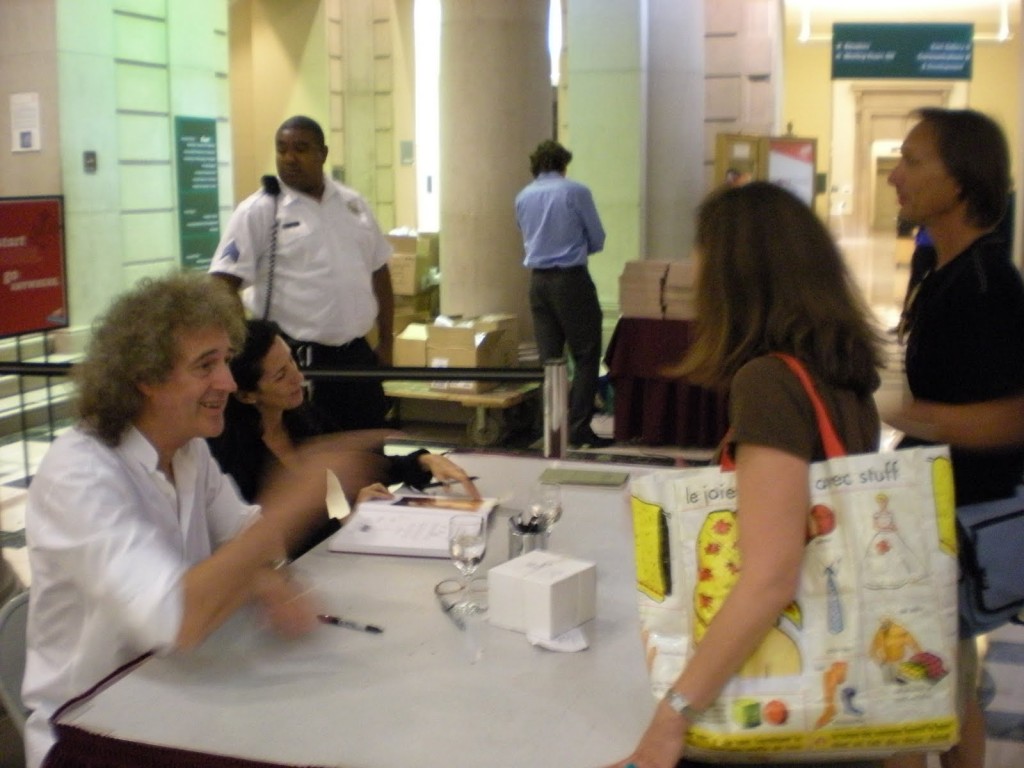
Brian May chats up Amy Linthicum and Tom Warner at his 2010 Philadelphia Library book-signing.
[Subsequent to posting this article, the Queen web site announced that Roger Taylor would also be joining Brian May for the opening performance of “We Will Rock You” at the Hippodrome. Bonus! – TW, BoL]
The Pope of Trash pays homage to the Merchant of Menace
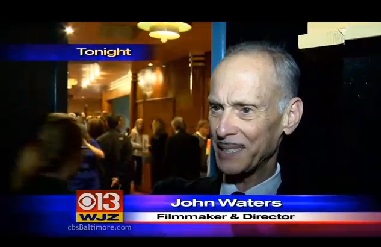
John Waters introduced a special anniversary screening of his 1988 hit “Hairspray” at the October 10, 2013 Senator Theatre reopening gala.
by Tom Warner (Baltimore Or Less, October 11, 2013)
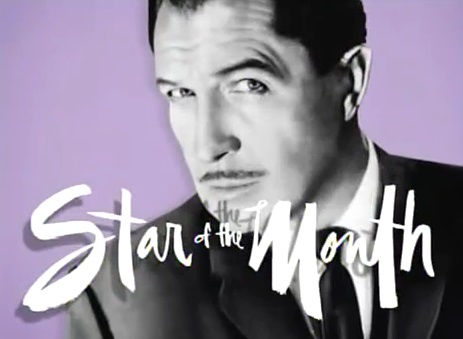
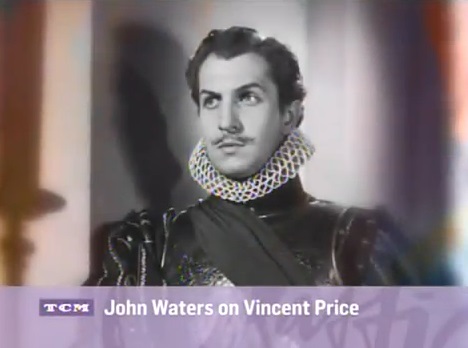
While everybody who is anybody was at Belvedere Square last night for the grand reopening (after 18 months of darkness) of the historic Senator Theatre – including host John Waters, who introduced the 25th anniversary screening of his equally historic mainstream hit Hairspray – I was at home watching Waters’s typically terrific tribute to Vincent Price, Turner Classic Movies’ “Star of the Month.”
How wickedly apropos for TCM to profile master horror villain Price in its October/Halloween celebration – and how fitting to have schlock-horror fan Waters deliver it!).
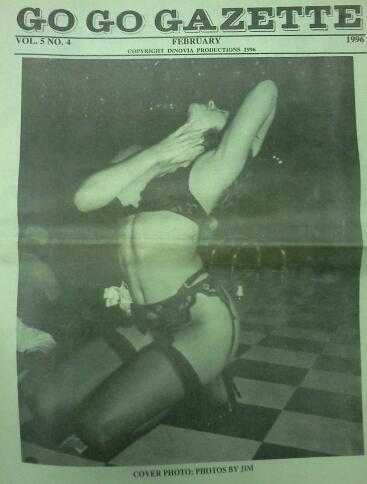
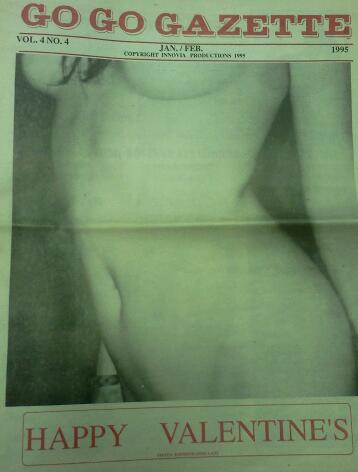
Go Go Gazette, a paper for and by the Titty Bar Industry.
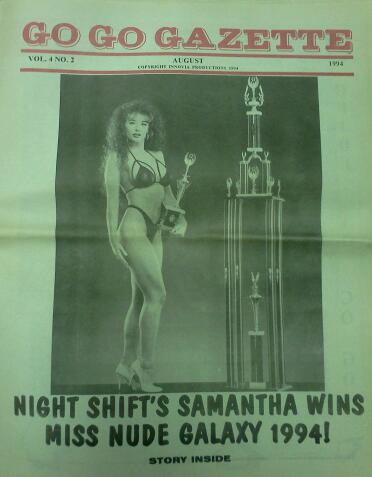
Editor’s note: Cleaning out my house after a recent move, I came across a box’s worth of old “Go Go Gazettes” I collected back in the ’90s when the old Atomic Books on Read Street carried this strip club trade publication that was founded in 1990 by former dancer Debbie Viola Smith. Though mostly focused on the metro DC circuit, it did carry content and ads for all the DelMarVa titty bars, with Night Shift‘s 1994 “Miss Nude Galaxy” Samantha notably gracing its August 1994 cover.
Night Shift’s Samantha: Miss Nude Galaxy 1994
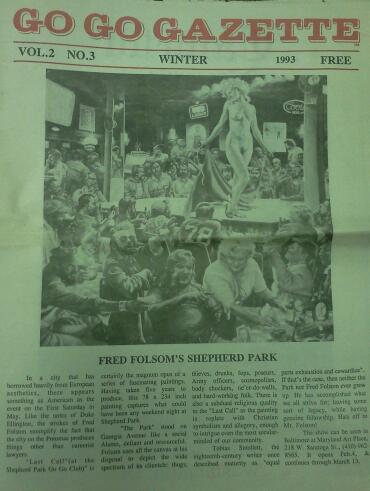
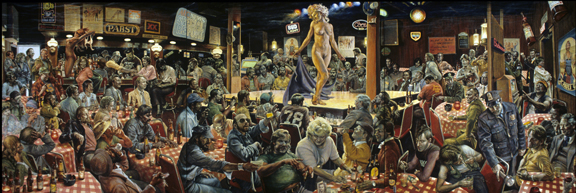
Another famous cover addressed Wheaton artist Fred Folsom‘s “Last Call (at the Shepherd Park Go-Go Cub),” a gloriously detailed 20-foot triptych painting that paid homage to DC’s legendary Georgia Avenue strip club, which closed its doors in 1987. (The Washington City Paper called it a “realistic tableaux filled with religious symbology and peopled with reeling drunks and idealized nudes.”) Filmmaker Jeff Krulik later made a documentary about Folsom and the Shepherd Park bar called “Go Go Girls Don’t Cry” (1997, 27 minutes).
Don’t Cry for Me, Go Go Girls: Fred Folsom’s painting made GGG’s cover, Winter 1993.
But the following 1995 DC CP article is the only mention of this paper I can find anywhere. By the way (full disclosure), I wrote that 1994 “Best of Baltimore” shout-out (“Best Go-Go Poetry-in-Motion”) for the “buxom bards” of GGG who so amply filled out their couplets. (Yes, just as I read “Playboy” for the articles, I read GGG for the poetry.) Alas, the Gazette did unfortunately “go go gently into that good night” and cease publication after its all-too-brief (1990-1996?) run.
By Randall Bloomquist (Washington City Paper, July 21, 1995)
H.L. Mencken wrote that “[a writer’s] overpowering impulse is to gyrate before his fellow men, flapping his wings and emitting defiant yells. This being forbidden by the police of all civilized countries, he takes it out by putting his yells on paper. Such is the thing called self-expression.”
There may be a little exhibitionist in every journalist. But in the case of Debbie Viola Smith, there’s a lot more than a little.
“I don’t want my face in the picture,” Smith says when she’s asked to sit for a photo. Then she lifts her muscular legs and wraps them behind her head. “I thought I could pose like this. Maybe I’d wear a G-string and hold the newspaper over my face. If you want to show my tits, you can.”
Smith, a former stripper, edits and publishes the Go Go Gazette, Washington-Baltimore’s bimonthly chronicle of the titty-bar scene. Since 1990, the 40-year-old Smith has been bringing nudie news to thousands of local T&A aficionados. The Gazette is the trade paper of a trade not known for its literacy. Curious about who won that hot oil wrestling contest at Gentleman’s Gold Club? The Gazette has full photo coverage. Wondering whether D.C. is ever going to allow lap dancing? The Gazette‘s on it. Need a hot new dancer to rev up your strip club or bachelor party? Check out the Gazette‘s classifieds.
“I see it as a place for everybody in the business to exchange information,” says Smith. “The patrons can find out what’s going on in the clubs. The dancers can advertise, and the club owners can see what’s happening in the business. I also want to uplift the image of exotic dance.”
To that end, Smith packages a curious mix of news, puffery, and gripes into the Gazette. A typical 24-page issue includes lots of grainy photos taken at recent club events—contests, anniversary parties, even a lingerie show to benefit the Muscular Dystrophy Association. Another chunk of space is devoted to “Personality Profiles,” a photo-and-caption feature that allows dancers to showcase their assets—at no cost—before club owners and other potential employers.
Despite the cheesecake photos that dominate its pages, Smith insists the Gazette is not designed to titillate. Just as she hates it when men assume that any woman who dances naked must be “for sale,” Smith fumes at the suggestion her publication is a soft porn rag. The paper, she says, is a legitimate, serious periodical. Not only does it (generally) eschew beaver shots, it covers every exposed nipple with a star or sunburst graphic.
“Look, exotic dancing is exotic dancing,” Smith says. “But that doesn’t mean you have to align yourself with the pornography industry. The girls aren’t up there doing live sex….This isn’t Cheri magazine. I’m not going to have pictures of one girl licking another girl’s crotch.”
Like another girlie mag, Playboy, the Gazette publishes articles that are a lot more interesting than its photos. The Gazette’s back pages feature a pair of point/counterpoint columns devoted to the concerns of industry participants. “Beaver Shee” recounts the complaints of dancers. “Woody Johnson” comments on what it’s like on the receiving end. In a recent issue, “Woody” groused that one of his favorite dancers, a woman he tipped heavily and considered a friend, blew him off when he ran into her in a social setting. “Beaver” replied that Woody needed to get a clue. Dancers, she snapped, get sick and tired of guys who can’t understand that most strippers like to keep their professional and personal lives separate.
The paper’s news stories run the gamut from surprisingly hard to exceedingly soft. The June issue, for example, reports on a group of dancers who are mulling over an antitrust suit against Virginia club owners; updates a Waldorf, Md., club’s legal woes; and describes the debut of Virginia’s first male-and-female strip joint. Smith and her correspondents may not be Menckens themselves, but the articles are clear and concise, if not inspired.
Smith distributes 25,000 free copies of each issue to more than 100 nudie bars, tattoo parlors, and Harley-Davidson dealerships from Delaware to southern Virginia. She’s got 19 distribution points in the District alone, almost all of which are strip clubs. A handful of connoisseurs subscribe to the paper, paying $12 a year for six issues. Smith pays the bills with advertisements from video stores, adult-toy shops, “talent agencies,” and, of course, strip clubs, charging $325 for a full-page ad.
While Smith strives for a degree of objectivity in the paper, her personal sympathies clearly lie with her former colleagues. Exotic dancing, never an easy gig, has grown increasing tough in recent years, she says. The number of women willing to take their clothes off in front of strange men has exploded of late, increasing competition for shifts and lowering hourly wages. Tips are down as well, thanks in part to the rise of multiple-stage clubs, where two or more dancers must compete for attention. The District, which forbids lucrative lap dances and private dances, is the worst stripping market of all.
“There are nights when you walk out with $30 in tips and it cost you $15 in cab fare to get to work,” Smith says.
Smith’s understanding of dancers’ plight and psyches—the transience, the lack of professional esteem, the craving for attention—helps explain the Gazette‘s quirkiest feature: stripper poetry. Dancers seem inspired by the muse. Smith publishes three or more poems per issue, and says the women need this creative outlet.
“I rarely turn down a poem even if it’s bad,” she says with a shrug. “I figure this is one place where poetry is poetry. One person’s trash is another person’s treasure.”
The dancers’ work ranges in quality from truly awful to not-so-bad. Indeed, the Baltimore City Paper bestowed a 1994 Best of Baltimore award on the Gazette‘s “buxom bards,” singling out dancer/wordsmith Crystal Harvey for special mention. Harvey penned one of the Gazette‘s most memorable verse works, “Ode to the Starlight,” which commemorates the demise of that venerable College Park strip club. Her closing lines:
We mourn your passing, we miss the fun
You were the best—bar none
I’ll always love you and the pleasure you gave
But I know that someday someone will even dance on my grave
Life go-go’s on…Peace
[Editor’s note: Another outstanding poem was Tangaray’s all caps “GO GO” from the February 1996 issue: “GO-GO FAST, GO-GO SLOW, SHAKE SHAKE SHAKE, FROM HEAD TO TOE/GO-GO GET THE MONEY, GO-GO GET THE CASH, COLLECT EVERY DOLLAR, FROM THE FIRST TO THE LAST/GO-GO ON THE STAGE, GO-GO ON THE FLOOR, KEEP THE CROWD HYPE, WANTING YOU MORE AND MORE.” – TW, BoL]
Despite her compassion for the dancers, Smith acknowledges that most strippers “aren’t angels.” In fact, she confides, many of them are unreliable, unprofessional, and untalented.
“A lot of these girls are just up there naked,” Smith says. “When I was a dancer, I tried to put on a real show.”
Ah, when she was a dancer. Growing up in the Hampton, Va., area, Debbie loved to dance. Tap, ballet, she did it all. In 1978, the 24-year-old Smith came to Washington to be with her now-deceased first husband, who was attending the University of Maryland. Upon hitting the big city, Smith resumed a nude dancing career that had begun a couple of years before and would stretch 17 years. She worked all the big clubs: Good Guys, Arlington Grill, Crystal City Restaurant, and the late, lamented Shepard Park. Stocky, plain, and less-than-amply endowed, Debbie quickly realized she wasn’t going to make it on her looks.
“I was known for my dancing and my sense of humor,” she says. “I used to tap dance, which people loved. I also did this thing where I would make paper airplanes and guys would throw them at my crotch—or I’d throw at their crotch.”
That ability to make the most of limited resources has proven equally useful in her publishing career. In between dance shifts, Smith studied photography at Northern Virginia Community College and collaborated with her husband on an exotic dancing calendar. In 1990, after years of kicking around the idea, she rolled out the first issue of the Go Go Gazette, distributing 5,000 copies to about 30 clubs.
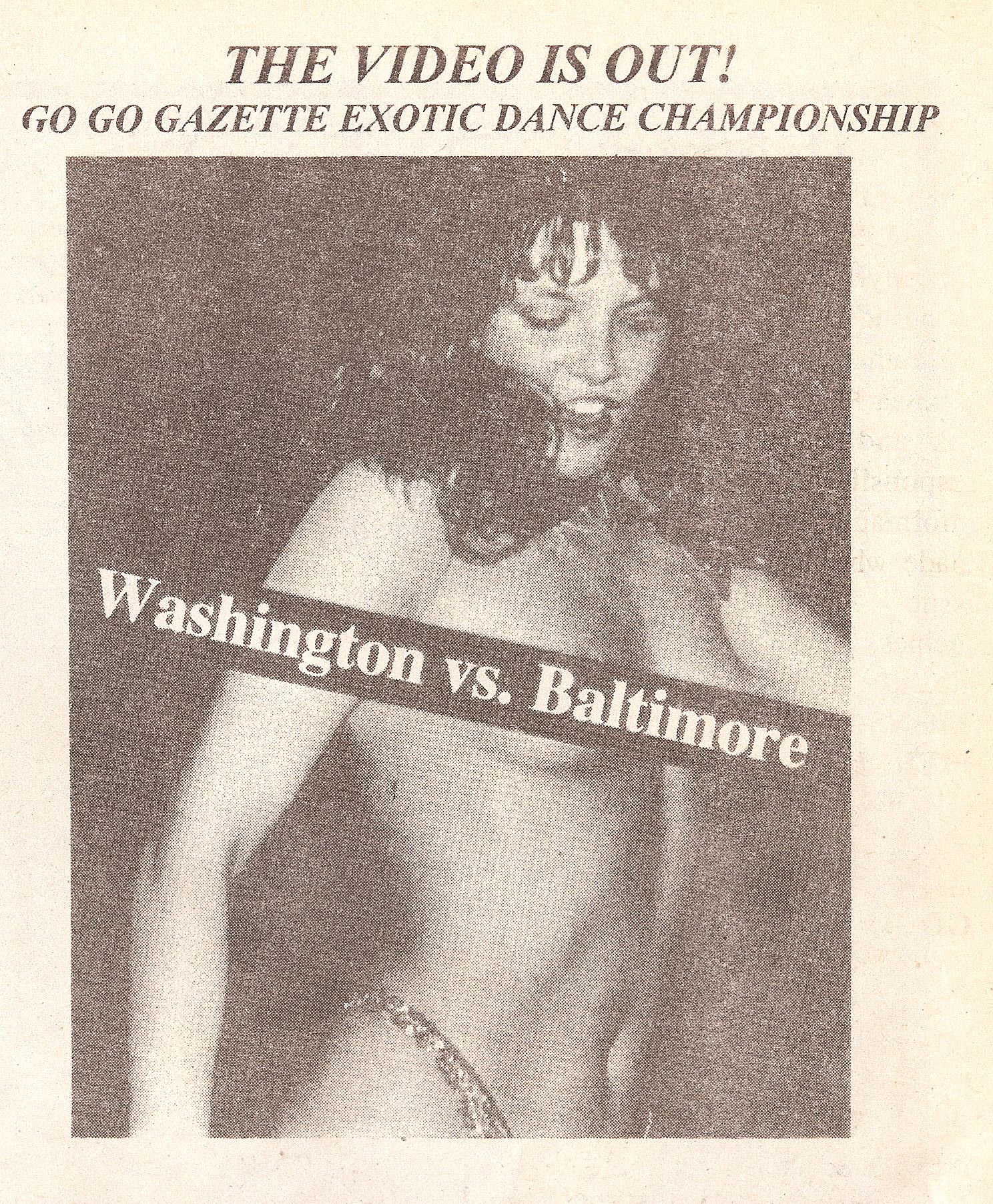
Then as now, Smith put together the paper with minimal assistance. In the past few years, a few photographers and writers (including some dancers) have contributed material, but Smith still handles editing, layout, ad sales, production, promotion, and distribution chores—along with some writing. The paper is headquartered on the glassed-in back porch of the very modest Takoma Park bungalow she shares with her new husband, video producer Robert Smith.(Among his credits: “Washington vs. Baltimore: The Go Go Gazette Exotic Dance Championship.”) Her office consists of a small drafting table, a Macintosh Powerbook 520, and—as of this week—a scanner.
The Beltway Runway: The Washington vs. Baltimore Exotic Dance Championship video (Innovia Productions, 1996, $22.95).
Since Smith retired from dancing last year, the newspaper has been her sole source of income. And while she claims to be getting by, she seems to recognize that the Go Go Gazette has reached a grow-or-die crossroads. To become a truly useful advertising medium, it needs to go monthly and expand its distribution. It also wouldn’t hurt to upgrade the newsprint quality, offer four-color ads (hey, Portland, Ore.’s T&A Times has ’em!), and hire a decent layout artist. But all of those things require more money and energy than Smith can spare right now.
So will the Gazette go-go gently into that good night, slipping into local strip club history aside Shepard Park and the Starlight? Don’t count it. Debbie Viola Smith may earn her living from the paper, but it provides her with something far more important than money. Something she’s willing to pay for. A stage.
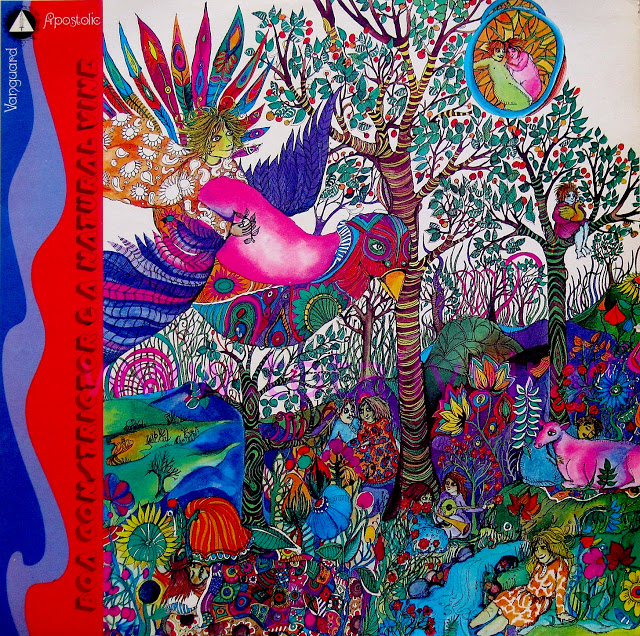
Though it sold only 26 copies in 1968, “Boa Constrictor and a Natural Vine” is now a coveted acid folk collectible.
Back in 1968, Baltimore’s George Figgs and Ben Syfu recorded a brilliantly bent psych curio called Boa Constrictor & A Natural Vine for the Vanguard label’s newly minted Apostolic subsidiary. At the time of it’s release, it sold an incredible 26 copies and has since remained largely unknown to all but a few obsessive collectors. Last time I checked, George & Ben‘s lone album wasn’t even listed on discogs.com
It says a lot about the relative obscurity of Boa Constrictor & A Natural Vine that Vanguard’s recent double LP archival excavation Follow Me Down: Vanguard’s Lost Psychedelic Era (1966-1970)didn’t include a single track from the album even though their five-minute epic “The Devil & the Ace of Spades” (listen below) would’ve certainly been a highlight of the set. Here’s the lowdown on George & Ben:
George Figgs is a painter, film historian and projectionist from Baltimore, Maryland who is a longtime member of John Waters‘ ensemble filmmaking cast (he’s Jesus Christ in 1970’s Multiple Maniacs) and the founder of the Orpheumart house cinema. But like just about every other US teen in the mid 60s, Figgs had been working on some song ideas with stadium-sized dreams. Eventually he decided to head to New York with his guitar-playing sidekick Ben Syfu to see if there was any interest.
In January of 1968, they turned up at the residence of Nic Osborn who was the viking-costumed elevator operator at Apostolic, a state-of-the-art recording studio in downtown New York which had an offshoot label subsidiary of Vanguard Records. Apostolic Studios – named for the custom-built twelve track Scully machine at the heart of the operation – was founded by John Townley in the spring of 1967 and would later play host to Frank Zappa & The Mothers of Invention, The Fugs, The Critters, Grateful Dead and the Silver Apples, It was Osbourn that brought George & Ben to the attention of Apostolic A&R rep and producer Danny Weiss who in turn passed the recording assignment to budding engineer John Kilgore.Now a respected New York studio owner with an impressive list of production credits, Kilgore recalls how the George & Ben album came together.
“George & Ben were hanging out at Nic’s apartment,” remembers Kilgore, “trying to get something going with their music career, albeit in a pretty stoned-out desultory fashion. Danny tried to make a recording or two with them and for whatever reason, it just wasn’t happening. He was going to let them go but I begged Danny for a chance to record them because I thought I could get something out of them.”
When Kilgore ran into the same problems Weiss was having in the studio with getting George & Ben to focus on tracking, he suggested a change of venue, someplace without the distractions of downtown New York. A secluded farm in rural Maine would be perfect and by chance, he knew of one that would be vacant in September.
“My high school bandmates Sean Hutchinson (bass) and Larry Luddecke (organ) were in a group called TheFar Cry with singer Jere Whiting and it was my connection to them that helped get The Far Cry signed to Apostolic. Jere’s parents were professors at Harvard – at least one of them was – and they had the place up in Searsmont they used as a summer home. George & Ben were pretty energized by the small successes we had up there. “The song ‘Little David,’ the lead track on Boa Constrictor came out of that trip, as well as the outdoor weirdness. When we came back to New York, they put a bit more effort into getting things done. That’s when the other tunes happened.”
Figgs’ wickedly trippy wordplay backed with Syfu’s bent blues backing makes for an otherworldly getdown and Kilgore was there with his trusty Nagra to capture it all. A few uncredited overdubs added by Far Cry guitarist David Perry, saxophonist Dick Martin and drummer Victor McGill back at Apostolic – particularly on the album’s masterstroke “The Devil & the Ace of Spades” – further enhance the haunting alone-in-the-woods vibe laid down in Maine.
“The Devil & the Ace of Spades was initially planned to be just a guitar and vocal number, with maybe some drums added later. But we recorded the tune on the multi-track using scrap tape, and there just happened to be a track of someone playing an Indian-style Qanun (like a cross between a dulcimer and an autoharp) recorded in the other direction. After we had laid George’s guitar and vocal down I happened to push up the fader on that track and behold – spooky backwards noise! It’ was in the right key so it worked on almost the whole track. I put lots of reverb on it and just faded it out where it doesn’t work.
“Dick Martin heard it, and immediately wanted to blow some saxophone on top of it. He did a great job in one take. We momentarily thought about putting on some drums but decided it was perfect just the way it was.”
What completes the package is Phoebe Stone‘s colourful arwork which is really everything you could hope for in a late-60s loner/stoner psych sleeve. Now an acclaimed children’s book illustrator and author, Stone was still very much an unknown when she was hired to come up with a suitable visual counterpart to George & Ben’s fiendishly freaky debut.
“Susan Sewell, the girlfriend of Danny Weiss at the time, was in charge of graphics at Vanguard Apostolic. She would oversee the artwork for various Apostolic projects but Vanguard had the final word on almost everything. Susan suggested a bunch of ideas to George and Ben, and they grudgingly accepted the work of Phoebe Stone who was the girlfriend of Apostolic engineer Randy Rand who helped build the studio. George & Ben would have preferred using George’s own artwork, but that was too out-there even for Apostolic. It’s a shame because George’s stuff is uniquely beautiful and would have made a stunning cover.
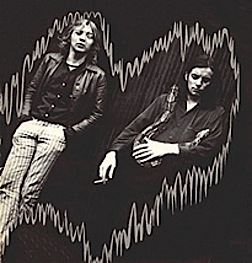
“The sleeve layout was put together by Jules Halfant, who was the Art Director at Vanguard and designed most of the label’s album covers (Joan Baez, Tom Paxton, Doc Watson, Buffy Sainte-Marie, John Hammond, Junior Wells, etc). Wonderful man, but trippy was definitely not his style. The back photo, which was taken on the roof of the Apostolic building at 53 E 10th Street was deemed too grubby for Vanguard, so they blocked out the rooftop scene and surrounded George & Ben with the squiggly toothpaste which horrified all of us. And instead of using Phoebe’s art for the whole front cover, they inserted more conservative Vanguard-like graphics along the left side, again to the outrage of all. By the way, the snake in the photo is George’s pet boa constrictor Bal.”
If George & Ben’s Boa Constrictor & A Natural Vine should ever be reissued, it won’t be from the original master tapes.
“When I worked at Vanguard between 1974 and 1976, I looked for the Boa Constrictor masters. I was told they had been destroyed.”
Track Listing:
Side A
1. Little David
2. Pig Quick-Finger
3. Devil & the Ace of Spades
4. Son of Kong
5. Down Child
Side B
6. Time is Money
7. Alligator Man
8. Sundown Stick
9. Don’t Try To Hide from the Lightning
10. Build Your Wall
Note: “Alligator Man” is a cover version of a song by Floyd Chance and Jimmy C. Newman, first recorded by the latter. It was later covered by Alex Chilton on his LP Like Flies on Sherbet.
“This is the monster rare, impossible to find UK original pressing with laminated cover from 1968 on Vanguard Apostolic, Catalogue No. SVRL 19042.
This little known gem was the only record that this psych-folk duo ever recorded for Vanguard Apostolic. It has all the elements one looks for in that genre and few others as well. There are some really deranged, acid-drenched compositions like Devil & the Ace of Spades (with its backward tape loops, mournful sax, and downer guitar strumming) as well as dissonant, freaky, rocking, blues numbers like Time is Money. Their music, while it owes something to other folk-experimentalists from the late 60s is also inspired by classic, country blues and at times they come off as a sort of hippie ancestor of garage-blues-rock duos like the Bassholes or Black Keys.”
Feedback from George Figgs:
“HEY Folks this is old George of “George&Ben” I’m still playing,…Now with my 20 year old Son IVAN FIGGS, who by the way does a beautiful “cover” of “DEVIL &the ACE of SPADES” you can hear it on REVERB NATION. It’s also on my Face Bk page. Ivan’s album is called “THE SHORES OF ACHERON“.
If YOU WANT SOME MORE OF MY SONGS I’ll record some of them and share them free.”
You can also listen to Ivan Figgs’ version of “The Devil & the Ace of Spades” at Bandcamp.com.
Lyrics to “The Devil & the Ace of Spades”:
In the desert with the Devil and the Ace of Spades
I had my colors burning
And though they tried to keep me still
Well I just kept on turning
When I turn from
Side to Side
Loosen up my grip
Saw that handle coming
I tried to let it slip
Well Satan he pointed out the sun
I did not think it funny
And when I turned to take a look
You know he pulled out all his money
I said the cash is fabulous
An offer you can’t refuse
Except that when you lose you win
And when you win you lose
Well the Ace of Spades he just fell right down
Lay there on his back
I stretched out my hand to help him up
He just said, “Get back”
Ben Syfu Trivia:
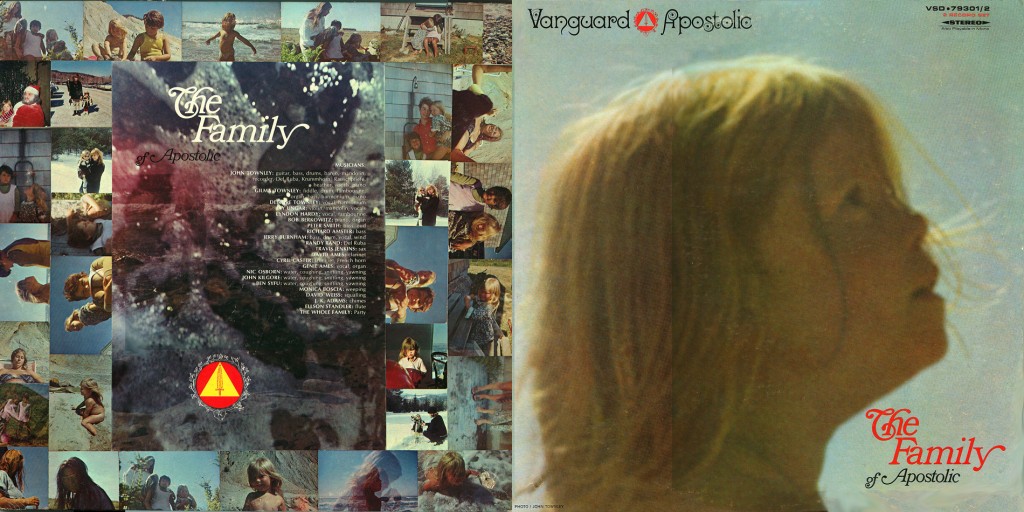
Ben Syfu also appeared on the long-lost 1968 Vanguard Apostolic two-disc LP The Family of Apostolic, on which he is credited with “water, coughing, sniffling, yawning.”
“The Family of Apostolic” LP (1968).
“The Family” of Apostolic was basically musician-astrologer-sound engineer John Townley’s family and friends and their music has been likened to the closest thing to an American Incredible String Band. Townley founded Apostolic Studios (where Jon Bon Jovi’s cousin Tony Bongiovi worked as an engineer) in 1967. Before that, he was a guitarist in The Magicians (1965-1967), whose song “An Invitation to Cry” is featured on the garage rock compilation Nuggets: Original Artyfacts from the First Psychedelic Era, 1965–1968. Ex-Magicians Garry Bonner, Alan Gordon (who together wrote several of the Turtles’ hits, such as “Happy Together” and “She’d Rather Be with Me”) and Alan Jacobs also perform on The Family of Apostolic. Townley currently maintains an astrology web site called AstroCocktail.
Young Aida Tutturo (right) was one of the children photographed on the back of “The Family of Apostolic.” She would later gain acclaim as Janice on HBO’s “The Sopranos.”
One of the photos on the back of The Family of Apostolic featured a young Aida Turturro, John Turturro’s cousin, who went on to portray Tony’s sister Janice on HBO’s award-winning TV series The Sopranos. The cover girl is John and (first wife) Gilma Townley’s daughter Deidre.
 We had no interest in seeing the much-maligned Queen musical “We Will Rock You” – which in 2002 opened in London’s West End to scathing reviews before crossing the pond in 2004 for its lone American run in the more forgiving pomp-and-romp theatrical circuit of Las Vegas – which kicks off its first North American tour this week with a five-day, eight-performance run at Baltimore’s Hippodrome Theater. But now comes word that Queen guitarist-cum-astrophysicist Brian May will not only be in town, but also on stage for the show’s opening this Tuesday, October 15th, at 8 p.m.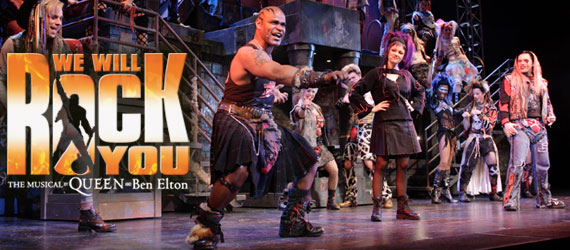

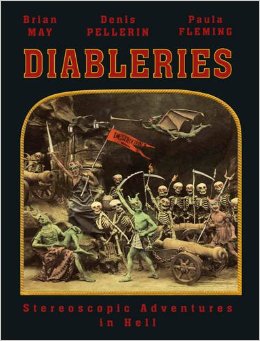 In addition to helping launch the North American tour this week in Baltimore, this month May will also publish his third book, Diableries: Steroscopic Adventures in Hell (co-written with Denis Pellerin and Paula Richardson Fleming), a celebration of mid-19th century “stereo cards” – 3-D photographs made exclusively in France beginning in the 1860s and depicting a macabre world of devils, satyrs and skeletons (“Diableries” translates roughly as “Devilments”). Like his previous 3-D book, 2009’s A Village Lost and Found (co-written with Elena Vidal, and for which the authors visited Philadelphia in July 2010 for a lecture and book signing) – which collected the photographs of 1850s stereo photographer T. R. Williams – the book will include a stereoscopic viewer designed by the brainy May, a stereoscopy enthusiast and member of The London Stereoscopic Company who received a PhD in astrophysics in 2006. May’s first book was Bang!: The Complete History of the Universe, co-written with astronomer Sir Patrick Moore and fellow astrophysicist Chris Lincott.